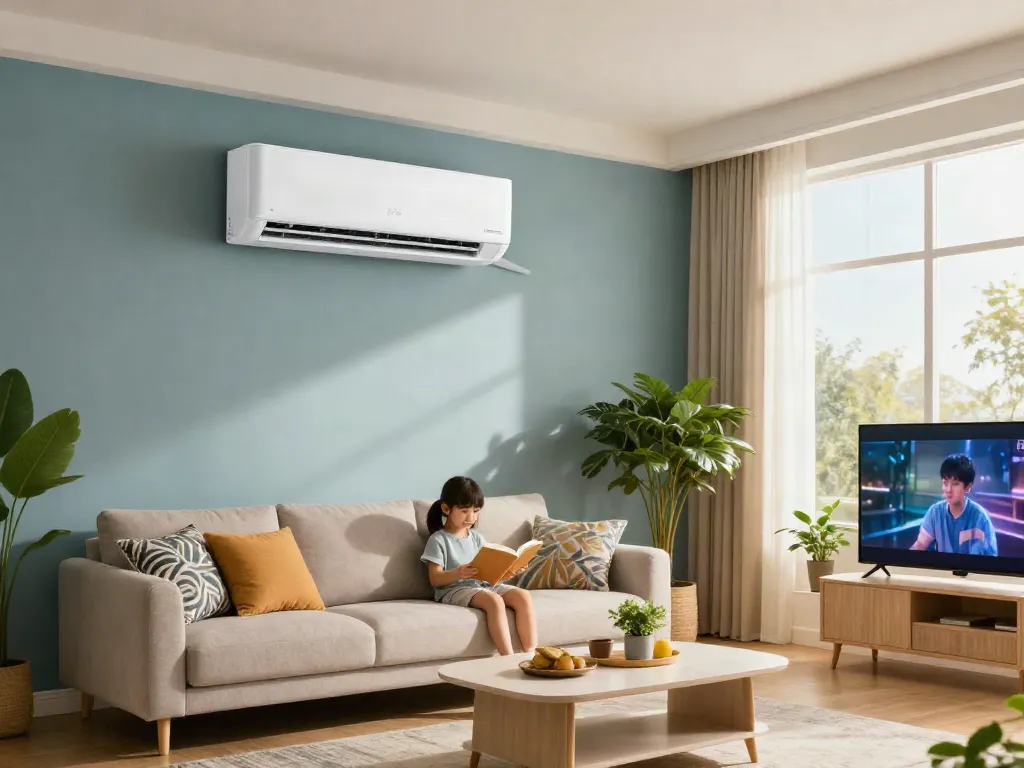
Understanding 18k Mini Split Systems
In today's rapidly changing climate, home comfort solutions are more crucial than ever. Among these solutions, the 18k mini split system has gained significant attention due to its versatility and efficiency. This article will explore the essentials of 18k mini split systems, covering their components, key benefits, installation processes, energy efficiency, maintenance tips, and future technology trends. By understanding these systems, homeowners can make informed decisions that enhance their living environments.
What is an 18k Mini Split?
An 18,000 BTU (British Thermal Unit) mini split is a type of ductless heating and cooling system designed to efficiently manage temperatures across medium to large spaces. Typically, these systems are rated for areas ranging from 550 to 1,000 square feet, making them ideal for living rooms, bedrooms, or open floor plans. Unlike traditional HVAC systems that use ducts, mini splits consist of an outdoor condenser unit and one or more indoor air handlers, providing both heating and cooling capabilities.
Components of Mini Split Systems
Mini split systems are composed of several key components that work together for efficient operation:
- Outdoor Unit: This unit houses the compressor and condenser, responsible for dissipating heat when cooling and absorbing heat when heating.
- Indoor Unit: The air handler distributes conditioned air throughout the room and often features various fan speeds and temperature settings.
- Refrigerant Lines: These copper lines transport refrigerant between the indoor and outdoor units, facilitating heat exchange.
- Remote Control: Many mini splits come with user-friendly remotes for easy temperature adjustments and fan speed control.
Key Benefits of Using an 18k Mini Split
Investing in an 18k mini split system offers numerous advantages:
- Energy Efficiency: Mini splits often have higher SEER (Seasonal Energy Efficiency Ratio) ratings compared to traditional units, resulting in lower utility bills.
- Flexible Installation: The lack of ductwork allows for installation in a variety of home layouts, offering customizable comfort solutions.
- Zone Control: Homeowners can heat or cool specific areas independently, conserving energy and enhancing comfort.
- Quiet Operation: The indoor units operate quietly, significantly reducing noise levels compared to traditional HVAC systems.
Installation Process for 18k Mini Split Systems
Understanding the installation process of an 18k mini split is vital for ensuring optimal performance and longevity. Whether opting for professional installation or considering a DIY approach, knowing what steps to take can streamline the process.
Preparing Your Space for Installation
Before installation, it's essential to prepare your space. Identify suitable locations for both the indoor and outdoor units, considering aspects such as accessibility for maintenance, proximity to electrical connections, and the layout of the room. You will also need to ensure the walls can support the weight of the indoor unit.
DIY vs. Professional Installation
When it comes to installing an 18k mini split, homeowners often face the decision of DIY versus professional services:
- DIY Installation: For those with plumbing and electrical experience, many manufacturers provide DIY kits that include all necessary components. However, this option may void warranties if not installed correctly.
- Professional Installation: Hiring a qualified technician ensures compliance with local codes and often includes a warranty on installation. This is typically the recommended route for optimal safety and performance.
Common Installation Challenges
While installing an 18k mini split system may seem straightforward, several challenges can arise:
- Refrigerant Line Length: Longer distances between the indoor and outdoor units may affect efficiency and require additional insulation.
- Electrical Connections: Ensuring proper voltage and electrical safety is crucial to avoid potential hazards.
- Mounting Issues: Securing the indoor unit properly is essential to prevent vibration and noise during operation.
Efficiency and Cost Savings with 18k Mini Splits
One of the primary motivations for homeowners to invest in an 18k mini split system is the promise of efficiency and cost savings over time. Understanding how these systems can impact your utility bills is crucial for long-term planning.
Energy Efficiency Ratings Explained
Mini splits are rated based on their SEER and HSPF (Heating Seasonal Performance Factor) values. A higher SEER (typically above 16) indicates better efficiency, which can lead to substantial savings on monthly energy bills. Additionally, modern units are designed with inverter technology, which adjusts the compressor speed to maintain consistent temperature levels without excessive energy expenditure.
Long-term Savings on Energy Bills
The investment in an 18k mini split may have a higher upfront cost, but the potential for long-term savings is significant. Many homeowners report reductions in energy bills by 30-40% compared to traditional HVAC systems, particularly when using their mini split to heat or cool specific zones. This efficiency is especially valuable during peak temperature months.
Government Incentives for Energy-efficient Systems
Many states offer tax credits, rebates, or other incentives for upgrading to energy-efficient systems like the 18k mini split. Homeowners should research local programs or consult with energy efficiency organizations to maximize their investment and take full advantage of available incentives.
Maintenance Tips for Your Mini Split System
To ensure your 18k mini split system operates efficiently for years, regular maintenance is critical. Here are best practices to keep in mind:
Regular Cleaning and Care Practices
Routine cleaning includes checking and replacing air filters every few months to maintain optimal airflow and efficiency. Additionally, outdoor units should be cleared of debris, such as leaves or dirt, which can obstruct airflow. Regularly inspecting and cleaning the coils will also enhance performance.
Signs Your 18k Mini Split Needs Repairs
Pay attention to unusual signs that your mini split may require attention:
- Increased Energy Bills: A spike in energy costs can indicate that your system may be working harder than necessary, signaling a need for service.
- Strange Noises: Unusual sounds such as grinding or hissing may indicate mechanical issues.
- Inconsistent Temperatures: If some rooms are not reaching the set temperature, it could be a sign of a refrigerant leak or airflow blockage.
Best Practices for Longevity
Investing time in regular maintenance can significantly enhance the lifespan of your mini split. Schedule annual professional check-ups, maintain clean filters, and always address repairs promptly to ensure continued comfort.
Future Trends in Mini Split Technology for 2026
As technology continues to evolve, mini split systems are poised for exciting advancements. Here are some trends to watch in 2026:
Innovations in Energy Efficiency
Expect to see even higher SEER ratings and enhanced energy-saving technologies in upcoming models, which will help homeowners reduce energy consumption further. Manufacturers are continually investing in research to improve the efficiency of these systems.
Smart Home Integration Features
With the rise of smart home technology, 18k mini split systems will increasingly feature compatibility with home automation systems, allowing homeowners to control their heating and cooling remotely through smartphone apps or voice commands.
Market Predictions for Mini Split Systems
The demand for ductless multi-zone systems is expected to grow, given the increasing trend toward energy-efficient solutions and the rise in remote work, leading to more comfortable home environments. Analysts predict continued innovation in the mini split sector, focusing on user customization and energy efficiency.
What are the Best Applications for 18k Mini Splits?
18k mini split systems are best suited for:
- Medium-sized homes: Ideal for heating or cooling multiple rooms without the need for extensive ductwork.
- Home additions: Perfect for spaces that require independent climate control like converted garages or sunrooms.
- Renovated spaces: Excellent for older homes without existing duct systems.
How to Choose the Right System for Your Home?
When selecting a mini split system, consider the following:
- Size: Ensure the BTU capacity aligns with the square footage of the space you need to condition.
- Efficiency Ratings: Look for systems with high SEER and HSPF ratings.
- Noise Levels: For residential areas, quieter units are preferable.
What is the Average Installation Cost?
The installation cost for an 18k mini split system typically ranges between $2,000 to $4,500, depending on factors such as complexity, location, and whether specialist services are required. While this may appear costly upfront, the long-term savings on energy bills can significantly offset the initial investment.